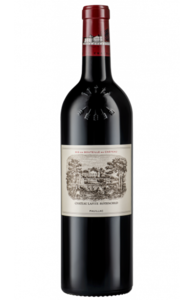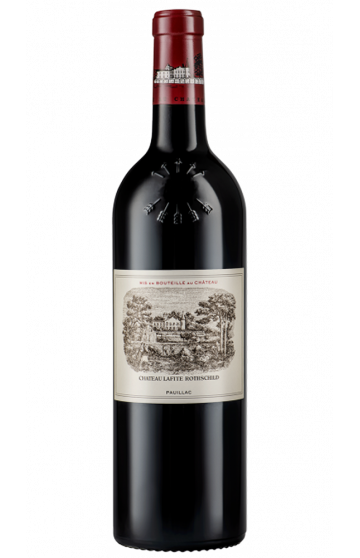
Château Lafite-Rothschild 2020
| Distrikt | Pauillac |
| Druvor | Cabernet Sauvignon, Merlot, Petit Verdot |
| Årgång | 2020 |
| Fyllighet | 9 |
| Fruktsyra | 9 |
| Strävhet | 9 |
| Procucenter | Château Lafite Rothschild |
| Artikelnr | Lafite-Rothschild 901 |
| Lagerstatus | |
| Förpackningsmaterial | Trälåda OWC |
| Fraktkostnad | 169:- |
| Avnjutes mellan | 2028 - 2063 |
Här redovisar och presenterar vi kända vinskribenters utlåtande om specifika viner. Utöver dessa lägger vi in en egen kommentar när vi har provat samma vin.
Druvor
80 till 95 % Cabernet Sauvignon, 5 till 20 % Merlot, 0 till 5 % Cabernet Franc och Petit Verdot. Observera att det finns några undantagsfall som årgången 1994 (99 % Cabernet Sauvignon och 1 % Petit Verdot) eller årgången 1961 (100 % Cabernet Sauvignon).
Lagring på ekfat
Årsproduktion
Tasting note
The 2020 Lafite Rothschild opens in the glass with a deep bouquet of cassis, black truffle, pencil shavings and violets. Full-bodied, fleshy and layered, its broad attack segues into an ample core of fruit framed by supple, melting tannins. Seamless, layered and complete, it's richer and deeper pitched than the 2019, and its notably high pH of 3.94 likely means it will never shut down. It's a blend of 92% Cabernet Sauvignon, 7% Merlot and 1% Petit Verdot, incorporating just a touch more Merlot from the plateau of Carruades than the 2019.
Årgången 2020
Årgången 2020 kommer att komma ihåg för den tidiga utvecklingen av vinstockarna. Mellan oktober 2019 och februari 2020 bidrog vissa episoder av regn till att skapa tillräckliga vattenreserver. En varm vår med kraftiga regn gynnade tidig men heterogen knoppsprängning. Ändå begränsades denna heterogenitet av arbete på jorden, vilket gjorde att den värmdes upp snabbare. Medan de varma temperaturerna och kraftiga nederbörden i april väckte oro för vinrankornas hälsa, möjliggjorde de goda väderförhållandena i mitten av maj en snabb och jämn blomning. Månaderna juni och juli var extremt torra (5 mm nederbörd på 55 dagar), vilket orsakade betydande vattenstress. På grund av detta torra väder tillsammans med kyliga temperaturer, utfördes en noggrann bladstrippning på den östra sidan av vingården (där solen går upp), för att uppmuntra fenolsyntesen av druvorna. Regniga dagar i början av augusti återupplivade druvornas mognadsprocess. Vingårdens fantastiska läge och vingårdsteamens arbete minimerade hälsoriskerna i samband med hög luftfuktighet och värme. Den indiska sommaren fram till skörden möjliggjorde en optimal mognad av druvorna. Med hänsyn till årgångens brådska och de höga temperaturerna i september togs beslutet att skörda tidigt, för att bevara druvornas spänning och täthet.
Today, Château Lafite Rothschild amounts to some 110 hectares planted to some 900,000 vines (including 4.5 hectares of Cabernet Sauvignon in Saint-Estèphe). If that figure strikes readers as smaller than it used to be, that's because Lafite has ripped up some less optimally situated plots that never tended to produce wine fit for inclusion in the grand vin. As of 2021, what's more, organic conversion is underway (15 hectares are already farmed biodynamically), and hedges and flowering borders, planted with native species, now begin to break up the monoculture of the vine. Cover crops, too, have been added to the viticultural team's agronomic arsenal and are delivering good results in parcels with more humid or clay-rich soils. In the winery, Lafite is meticulously traditional—the grapes are sorted twice, once optically, and see a classical maceration in wooden and cement tanks with pump-overs and some use of the gentle "air pulse" system that disrupts the cap and oxygenates the ferment without the need for a full pump-over. Malolactic fermentation, as ever, is in tank, and the wine matures in barrels that are mostly produced in-house, with a light toast and favoring the forests of Allier and Nevers. Each vintage is racked three times, traditionally, with one egg white fining (which requires up to 8,000 eggs). As is the case almost everywhere in the Médoc, the tendency is for less and less Merlot in the assemblage.
-